
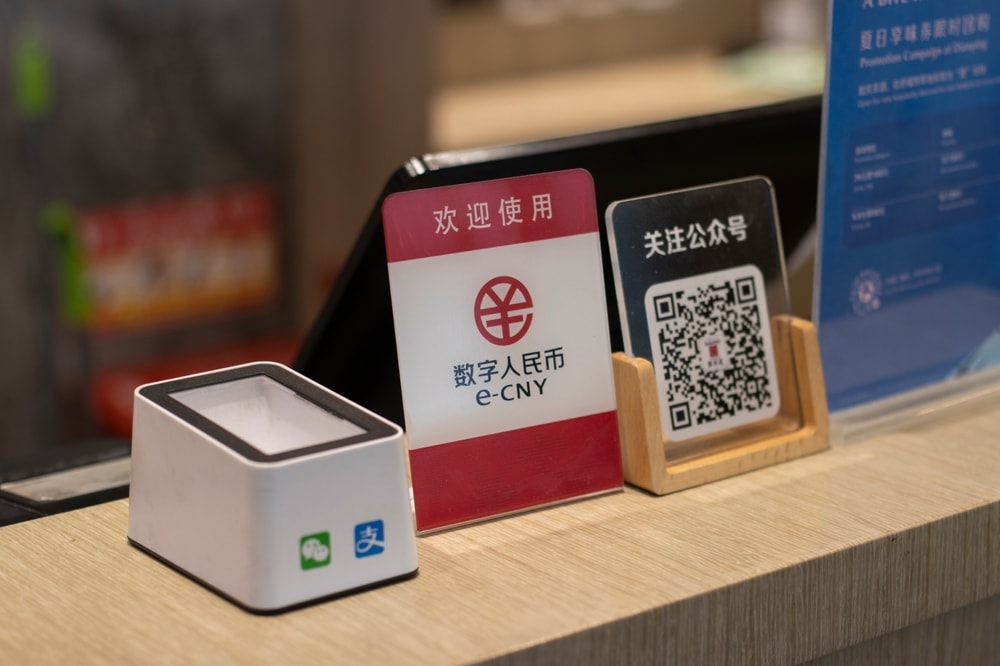
Traveling to China can be one of the most exciting experiences in the world — from exploring ancient cities and breathtaking landscapes to enjoying world-class cuisine and discovering a culture that seamlessly blends tradition with modern innovation. However, one aspect that often surprises visitors is how payments work in daily life.
Unlike many countries where credit and debit cards dominate, China has largely moved beyond traditional card payments. Mobile wallets are now the backbone of everyday transactions, and understanding this system before you arrive can save you time, stress, and confusion.
This guide covers everything travelers and expats need to know about paying in China — from cash and cards to mobile payments and practical tips for smooth transactions.
Why Paying in China Is Different
China’s payment ecosystem is unique. Instead of relying on cards, the country rapidly adopted mobile payment technology. Today, digital wallets are used for almost everything — buying street food, paying for transport, shopping in malls, and even making donations.
For visitors, this means adapting to a system where scanning QR codes is more common than swiping a card.
1. Cash: Still Accepted, but Less Common
Cash hasn’t disappeared entirely, but its use is declining, especially in major cities.
When Cash Is Useful
- Street food stalls
- Small rural shops
- Local taxis
- Remote scenic areas
Tips for Using Cash
- Always carry a small amount of RMB for emergencies
- Withdraw cash from ATMs in major cities or airports
- Avoid carrying large sums for safety
Cash works, but it’s no longer the most convenient option in urban China.
2. Visa and Mastercard: Limited Acceptance
International cards such as Visa and Mastercard are not widely accepted in China. The dominant local network is China UnionPay.
What This Means for Travelers
- Most small businesses don’t accept foreign cards
- International cards may work at hotels and large malls
- ATMs often support Visa and Mastercard withdrawals
Because of these limitations, relying solely on cards is not recommended.
3. Mobile Payments: WeChat Pay and Alipay
Mobile wallets are the most important payment method in China. WeChat Pay and Alipay are accepted almost everywhere.
Why Mobile Wallets Matter
- Accepted at restaurants, shops, taxis, attractions, and supermarkets
- Fast QR code scanning instead of cash or cards
- No need to carry physical money
Many foreigners can now link international debit or credit cards to these apps, making them accessible even for short-term visitors.
For a detailed, step-by-step explanation of mobile wallets, QR code payments, and setup tips for foreigners, you can refer to this guide on How to pay in China by thechinajourney.com.
4. Transport Payments in China
Subways and Buses
- Mobile wallets are commonly accepted
- Some cities support contactless transport cards
- Rechargeable metro cards are available
Taxis and Ride-Hailing
- Cash may still be accepted in traditional taxis
- Ride-hailing apps like Didi support mobile payments
- Drivers usually display QR codes for scanning
5. Hotels, Restaurants, and Shopping
Hotels
- Major hotels often accept Visa, Mastercard, and UnionPay
- Mobile wallet acceptance depends on the hotel’s system
Restaurants
- Small eateries often accept only mobile payments or cash
- Larger restaurants usually accept cards
Shopping
From luxury malls to local stores, QR code payments dominate. Mobile wallets are the fastest and most reliable option.
6. Tipping and Small Payments
Tipping is generally not expected in China.
For small purchases:
- Cash works if QR codes are unavailable
- Mobile payments are preferred and quicker
7. Internet Access and Payment Security
VPN Considerations
Using a VPN may affect some services, but payment apps usually work without issues.
Safety Tips
- Download apps from official app stores
- Avoid public Wi-Fi for payments
- Enable biometric or passcode protection
8. If You Can’t Use Mobile Wallets
If setting up mobile payments isn’t possible:
Alternatives
- Carry extra cash
- Use international cards where accepted
- Ask hotels for assistance
Still, adapting to mobile payments will significantly improve your experience.
9. Practical Tips Before Traveling
- Inform your bank before departure
- Download payment apps in advance
- Research foreign card compatibility
- Learn basic payment phrases in Chinese
Final Thoughts
Paying in China may feel unfamiliar at first, but once you understand how the system works, it becomes incredibly efficient. By combining mobile wallets with a small amount of cash and limited card use, travelers and expats can navigate daily payments with ease.
With the right preparation, you’ll spend less time worrying about transactions and more time enjoying everything China has to offer.
